The world's most advanced machines still depend on human engineering judgment.
Subduxion is building a world model for precision manufacturing: a model that learns how geometry, part requirements, manufacturing processes and a factory's capabilities together determine how a part can be made.
Why we are building this
The knowledge used to make complex parts builds up over years. Experienced estimators, programmers, work preparation engineers and machinists know which choices hold within a specific production environment. Much of that engineering judgment is never captured in a structured way.
At the same time an experienced generation is leaving manufacturing. That knowledge is not replaced one for one, while machines, production data and machine learning are reaching the point where part of it can be made computational for the first time.
Subduxion builds technology to model that production knowledge, test it against physical reality and make it applicable again.
What we are building
A world model for high-precision manufacturing.
Subduxion is building a technical model of how complex parts are made: from geometry and part requirements to manufacturing process, factory context and realised production.
Blake is the first product application of that technology and now runs in production at Dutch precision machining companies.

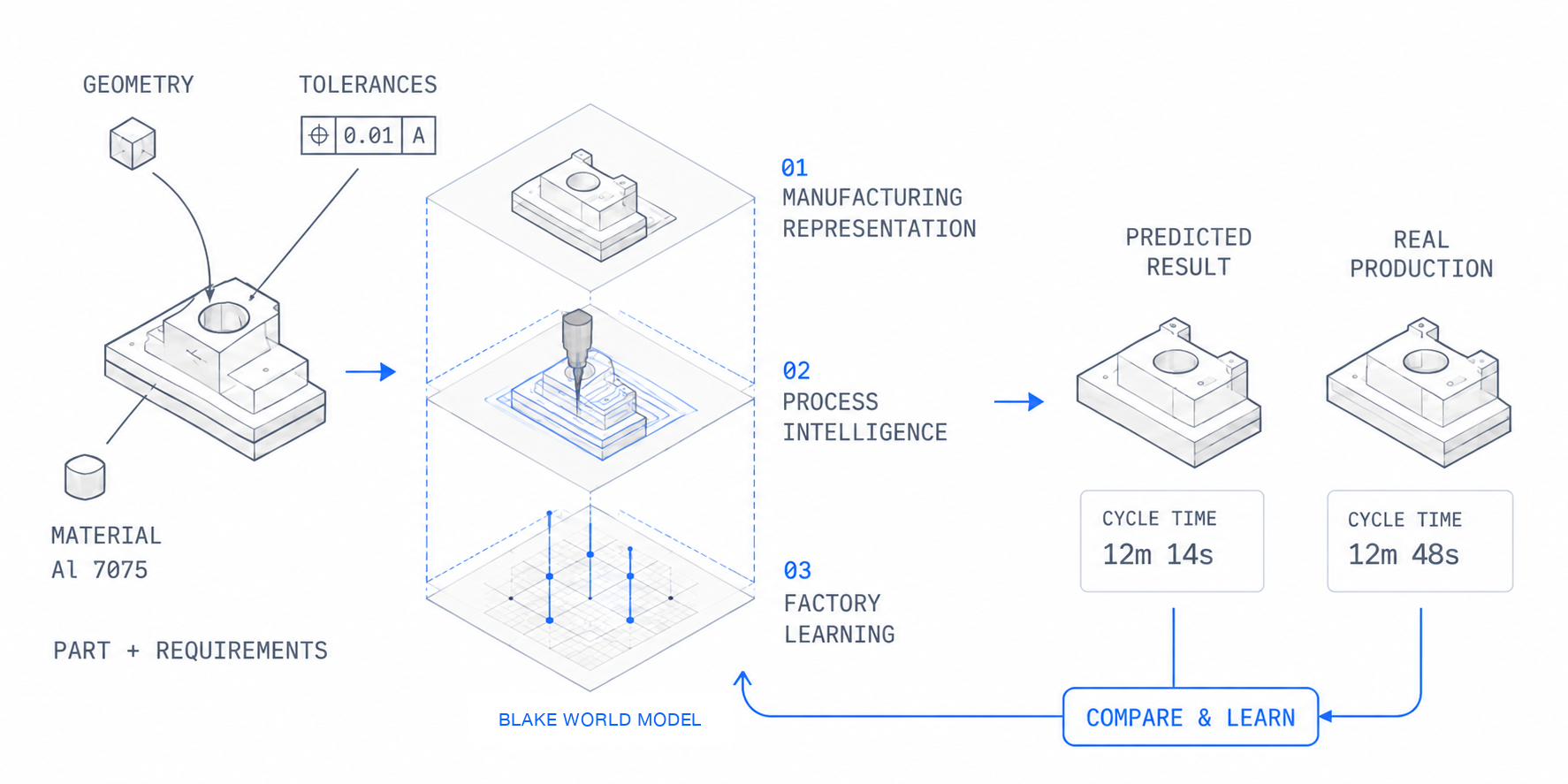
Manufacturing representation
One shared representation brings geometry, part requirements, material and manufacturing context together around the same part.
Process intelligence
On top of that we develop specialised models for individual manufacturing processes. Milling is our first process family; turning and EDM require their own process knowledge and physics.
Factory learning
The model is calibrated to the reality of a factory: its machines, capabilities, the choices it has made and the production outcomes it has realised.
Why Subduxion
Developed in Brainport. Built for European manufacturing.
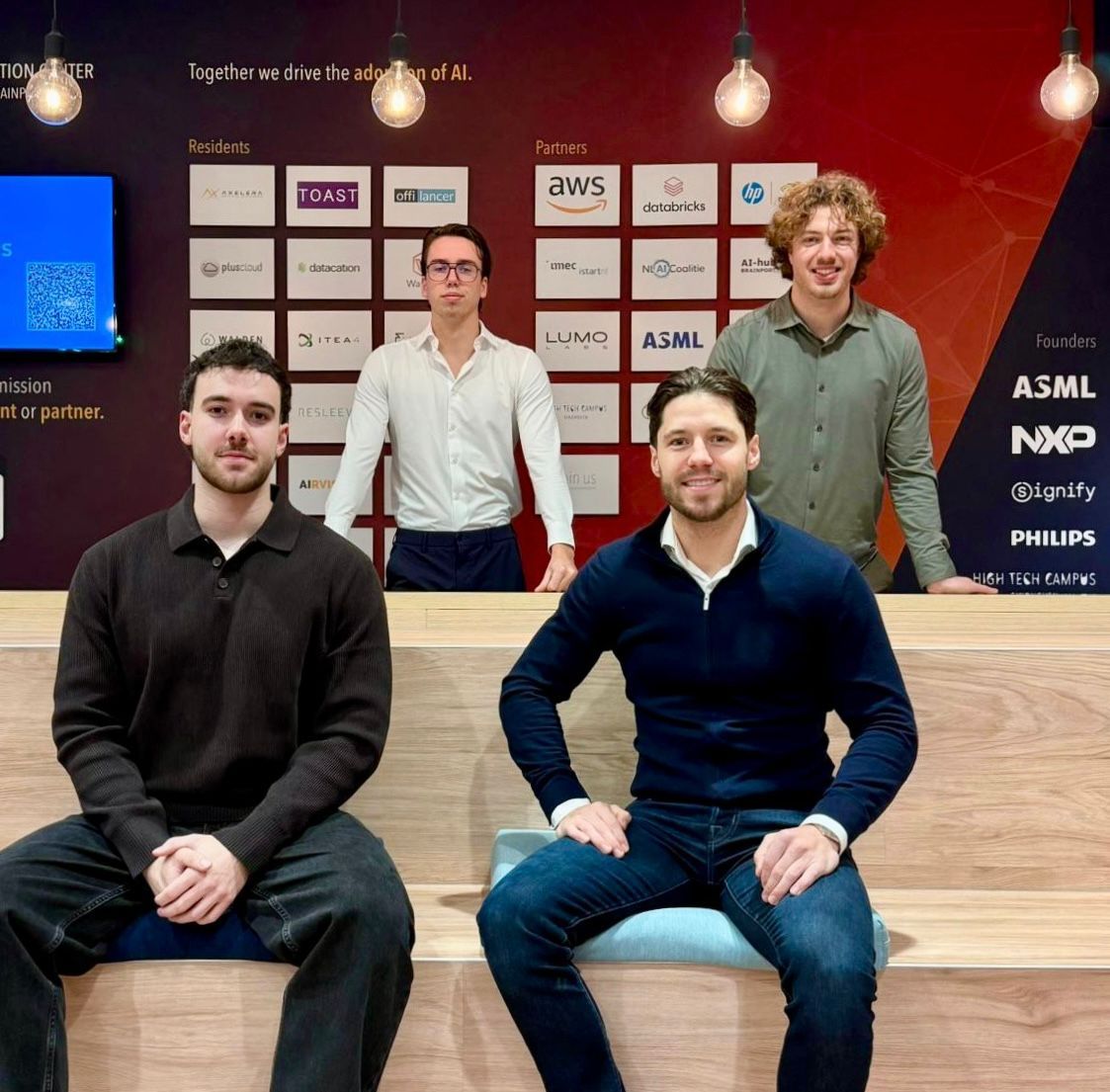
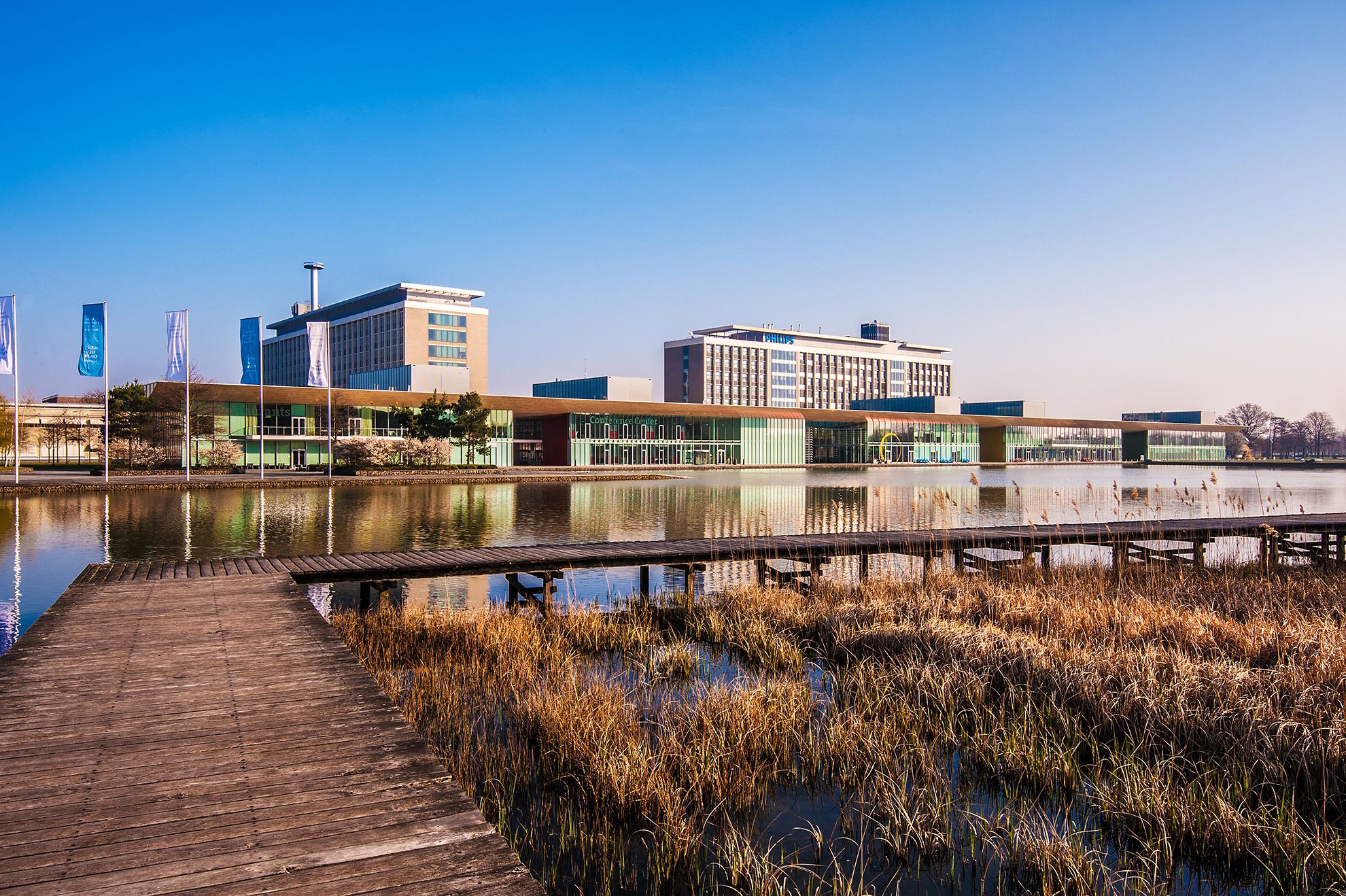
Subduxion works from High Tech Campus Eindhoven, in the middle of an ecosystem of high-tech machine builders, precision manufacturers, engineers and researchers.
Here we develop our models together with manufacturers, on real parts, production processes and factory data. That direct connection to practice is essential: manufacturing intelligence does not come from behind a screen alone, but from continually testing technology against how parts are actually made.
What we learn here we want to productise for a much larger market. Our ambition is to make technology that is developed today with Dutch manufacturers available to precision manufacturers across Europe.
Our team
The people building the model, and the judgment behind it.
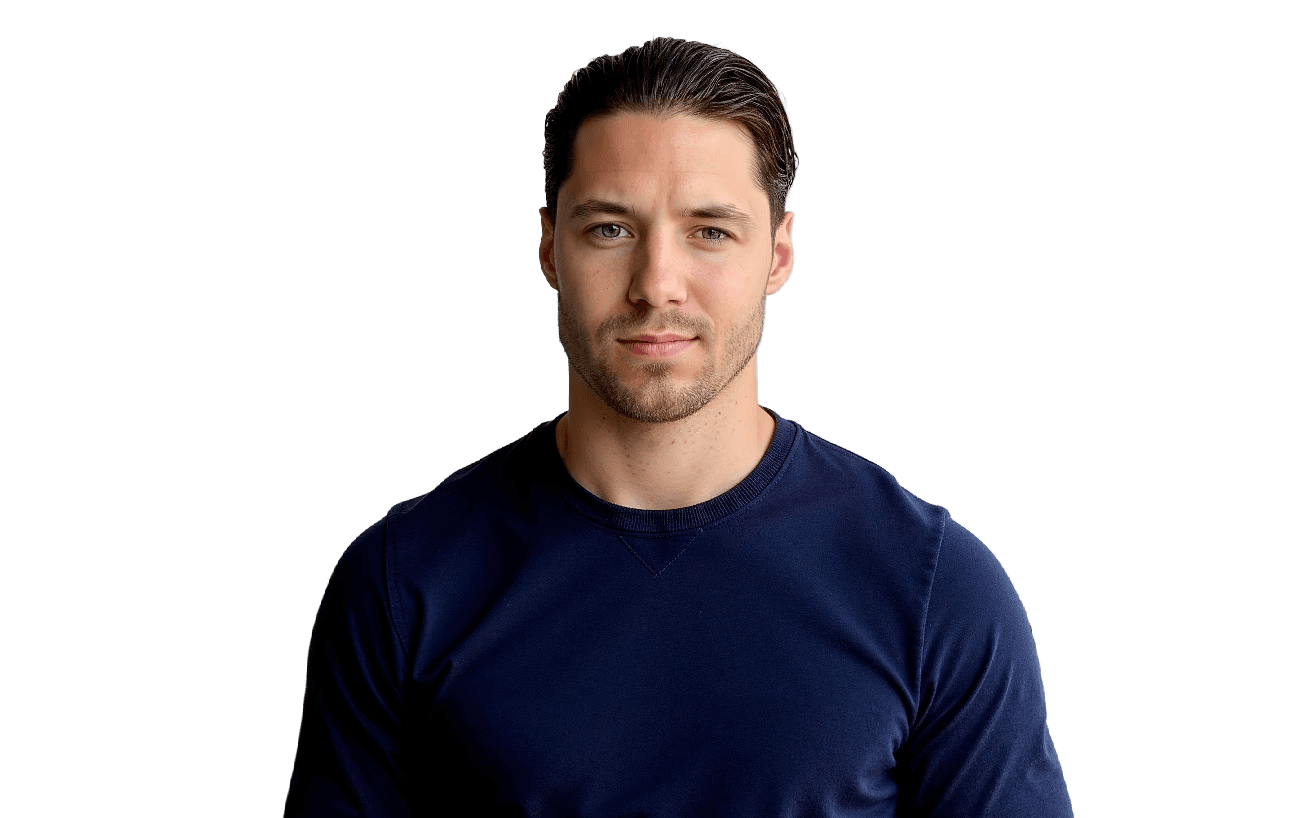
Lucas Kuijper

Data Scientist. Works on statistical and machine-learning methods across manufacturing data and model evaluation. Background in Applied Physics and Econometrics.
Tristen van Vliet

Gijs van Loon

Solution Engineer. Works between manufacturing partners, product requirements and technical implementation, translating real manufacturing problems into product development.
Tom Collaris

Senior Machine Learning Engineer. PhD in Computer Engineering from Süleyman Demirel University, with research experience at the University of Trento. Focus: machine learning and computer vision.
Ali Güneş
Join the team
We are a small team in Eindhoven working at the intersection of manufacturing, software and machine learning.
We are working on a hard problem: turning engineering knowledge from production into models that can reason about new parts while staying bound to the reality of the manufacturing process.
We look for people who are curious about both how software learns and how physical things are actually made.
The world's most advanced machines still depend on human engineering judgment.
Subduxion is building a world model for precision manufacturing: a model that learns how geometry, part requirements, manufacturing processes and a factory's capabilities together determine how a part can be made.
Why we are building this
The knowledge used to make complex parts builds up over years. Experienced estimators, programmers, work preparation engineers and machinists know which choices hold within a specific production environment. Much of that engineering judgment is never captured in a structured way.
At the same time an experienced generation is leaving manufacturing. That knowledge is not replaced one for one, while machines, production data and machine learning are reaching the point where part of it can be made computational for the first time.
Subduxion builds technology to model that production knowledge, test it against physical reality and make it applicable again.
What we are building
A world model for high-precision manufacturing.
Subduxion is building a technical model of how complex parts are made: from geometry and part requirements to manufacturing process, factory context and realised production.
Blake is the first product application of that technology and now runs in production at Dutch precision machining companies.
Manufacturing representation
One shared representation brings geometry, part requirements, material and manufacturing context together around the same part.
Process intelligence
On top of that we develop specialised models for individual manufacturing processes. Milling is our first process family; turning and EDM require their own process knowledge and physics.
Factory learning
The model is calibrated to the reality of a factory: its machines, capabilities, the choices it has made and the production outcomes it has realised.
Why Subduxion
Developed in Brainport. Built for European manufacturing.
Subduxion works from High Tech Campus Eindhoven, in the middle of an ecosystem of high-tech machine builders, precision manufacturers, engineers and researchers.
Here we develop our models together with manufacturers, on real parts, production processes and factory data. That direct connection to practice is essential: manufacturing intelligence does not come from behind a screen alone, but from continually testing technology against how parts are actually made.
What we learn here we want to productise for a much larger market. Our ambition is to make technology that is developed today with Dutch manufacturers available to precision manufacturers across Europe.
Our team
The people building the model, and the judgment behind it.
Lucas Kuijper
Data Scientist. Works on statistical and machine-learning methods across manufacturing data and model evaluation. Background in Applied Physics and Econometrics.
Tristen van Vliet
Gijs van Loon
Solution Engineer. Works between manufacturing partners, product requirements and technical implementation, translating real manufacturing problems into product development.
Tom Collaris
Senior Machine Learning Engineer. PhD in Computer Engineering from Süleyman Demirel University, with research experience at the University of Trento. Focus: machine learning and computer vision.
Ali Güneş
Join the team
We are a small team in Eindhoven working at the intersection of manufacturing, software and machine learning.
We are working on a hard problem: turning engineering knowledge from production into models that can reason about new parts while staying bound to the reality of the manufacturing process.
We look for people who are curious about both how software learns and how physical things are actually made.